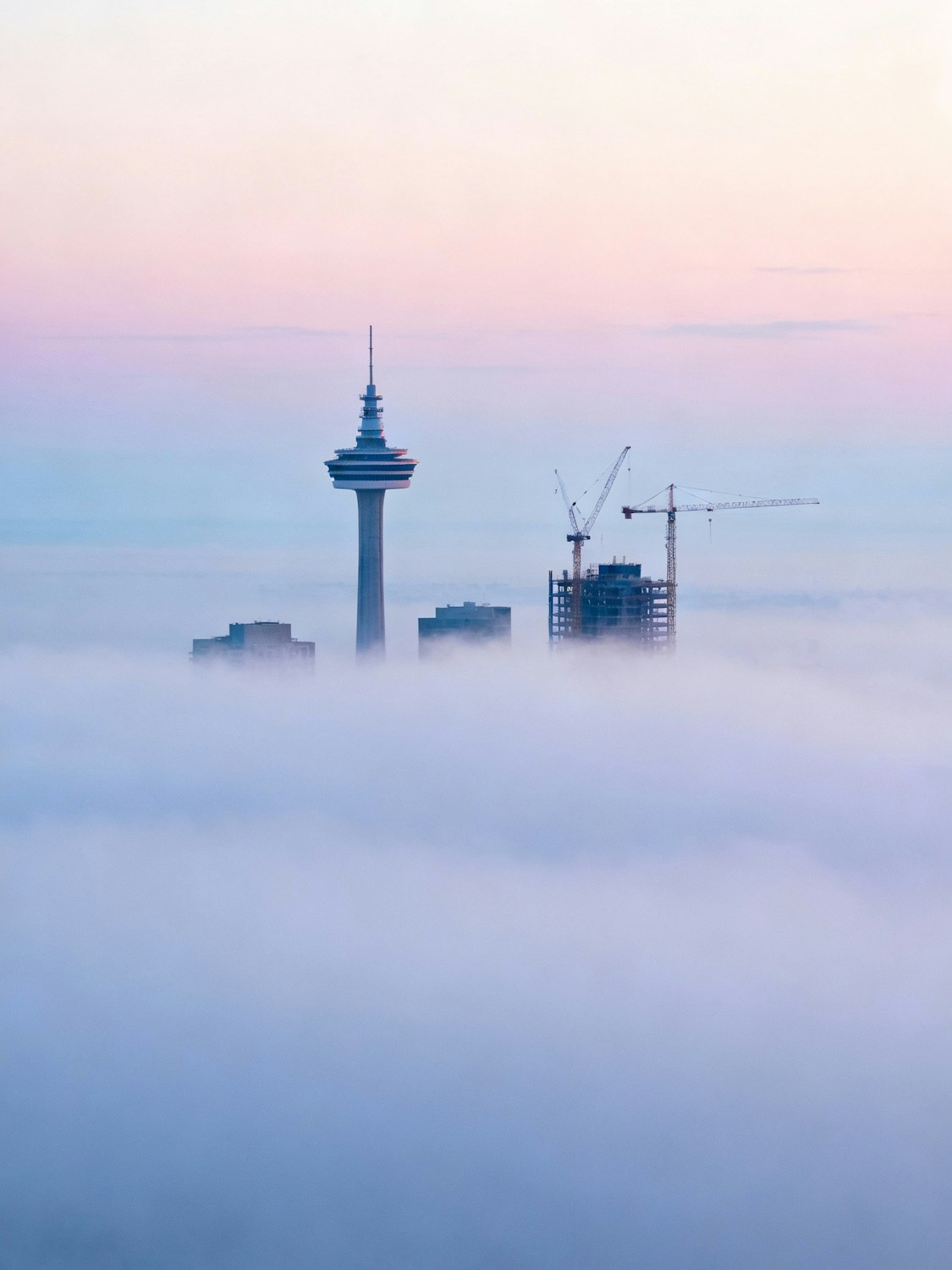
East AsiaPlanned for March 2026
Macau
Four centuries of Portuguese administration folded into a few square miles of southern China, with a wall of casino light at the end of the street.
Macau SAR, China
- Region
- East Asia
- Languages
- Cantonese and Portuguese are both official, and English is widely understood
- Currency
- Macanese pataca (MOP), with Hong Kong dollars usually accepted
- Getting around
- Walking, local buses and the free resort shuttles
- Best months
- October to December
- Trip length
- Four to six days
The overview
A small territory where Portuguese and Cantonese have been mixing for four hundred years, producing its own cuisine, its own street architecture and, more recently, one of the densest resort strips anywhere.
Macau is small enough to walk across in a morning and complicated enough to keep me busy for a week. For more than four centuries it was administered from Lisbon, and what that left behind is not a theme park of colonial facades but a genuinely hybrid street culture: bilingual tiled street signs, pastel churches wedged between shophouses, and a way of cooking that belongs to neither Portugal nor southern China. It is one of the few places where the mixture feels lived in rather than staged.
Sitting alongside that is one of the densest concentrations of casino resorts in the world, built largely on reclaimed land between the southern islands. I have no interest in gambling, but I am fascinated by the spectacle of it: the sheer scale, the invented skylines, the way an entire district switches on at dusk. The two versions of Macau are barely twenty minutes apart by bus, and the whiplash between a quiet lane of shuttered doorways and a lobby the size of a cathedral is, I think, the real story here.
I am going in March 2026, crossing straight over from Hong Kong at the end of that trip, and giving Macau four or five unhurried days rather than the day trip most people make of it. The plan is to base myself near the old centre, walk the historic lanes early while the bakeries are still warming up, spend a long afternoon in the old village quarter on the southern islands, and film the resort strip after dark from a distance, as landscape rather than advertisement.
Things to see and do
What I am going to Macau for
The list I am actually working from, rather than everything a place is known for.
Walk the historic centre before the coaches arrive
The old core is a compact tangle of lanes, squares and church facades that survived when the buildings behind them did not. It rewards early starts: get there first and you can stand in front of a carved stone frontage with nobody in the frame. Wear shoes with grip, because the paving is beautiful, uneven and genuinely slippery in the wet.
Sit out an hour on the main square
The principal paved square is the hinge of the old town, wave-patterned stone underfoot and pastel arcades on every side. Most people photograph it and leave. Buy something cold, find a step to sit on, and watch instead: schoolchildren cutting through, deliveries threading past, the light moving across the facades. Then follow any lane off it, because the calm arrives within about thirty seconds.
Spend an afternoon in the old village quarter
Down on the southern islands, past the resorts, there is a village quarter of narrow lanes, painted shutters and a small waterfront that has kept its own pace entirely. It is the counterweight to everything else here. Go in the afternoon, eat late, and stay until the lights come on. Buses run from the peninsula regularly, though it is worth checking the last service back.
Eat Macanese food, which is its own cuisine
Macanese cooking is not Chinese food with Portuguese touches, nor the reverse. It grew out of centuries of intermarriage and trade, pulling spices from Goa, Malacca and Africa into a southern Chinese kitchen, and the results are unlike anything else I have eaten. Look for slow stews, coconut and turmeric, salted cod and baked rice dishes. Family-run places tend to do it best, and portions are usually built for sharing.
Queue for an egg tart, then eat a second
The local custard tart has a flaky, laminated crust and a top blistered almost black under the grill, and it is best within minutes of leaving the oven. Bakeries across the territory make their own version, so try more than one rather than settling for the most photographed queue. Mid-morning and mid-afternoon are typically when fresh trays appear.
Step into the temples and let your eyes adjust
The older temples are dim, smoke-filled and often tucked behind an unremarkable doorway on a busy street. Enormous incense coils hang from the ceilings and burn for days, which makes them difficult to photograph and wonderful to sit in. Enter quietly, ask before pointing a camera at anyone praying, and stay long enough for the light to resolve into something you can actually see.
Treat the resort strip as architecture, not a casino
You do not need to gamble to find the strip worth an evening. The scale is the point: borrowed skylines, fountains, atriums the size of railway stations, all switched on at dusk. Walk part of it, ride the free shuttles between properties, and photograph it from across the water where the whole ridge of light reads as a single object. An hour or two is usually enough.
Walk the coastal promenade at the end of the day
A paved waterside path runs along stretches of the shoreline, and it is the easiest way to grasp how much of this place is reclaimed and how close the mainland sits. Go late in the afternoon, when local walkers and exercise groups come out and the heat finally drops. It is flat, well-surfaced and quietly one of the best free things to do here.
Climb to a hill fort for the whole map at once
Several low hills carry old fortifications, and the walk up any of them takes perhaps fifteen or twenty minutes of steady climbing. From the ramparts the geography makes sense at last: the dense old peninsula, the water, the bridges reaching south, the towers beyond. Go early for clear air or just before sunset for the light, and carry water in the warmer months.
How to get there
Routes in, and how to move once you arrive
General guidance on the realistic ways to reach the destination. Routes, operators and journey times change, so confirm the current position before you book anything.
By air
A small international airport with mostly regional routes
Macau has its own international airport on reclaimed land beside the southern islands, but it is a modest operation served mainly by regional carriers flying to mainland China, Taiwan, Southeast Asia and a handful of other Asian cities. There is very little long-haul, so most visitors coming from Europe or North America fly into Hong Kong and continue by sea or road. Check current route maps directly with the airlines, since regional networks here change from season to season.
By sea
Fast ferries across from Hong Kong in about an hour
Fast catamarans cross from Hong Kong throughout the day and typically take around an hour, which for most travellers is the simplest and most enjoyable way in. Services leave from more than one terminal on the Hong Kong side and arrive at more than one pier in Macau, so check which pairing suits your plans before booking. Sailings are weather-dependent and are suspended when a typhoon signal is raised. Book ahead on busy weekends and allow time for immigration at both ends.
By road
The delta bridge and cross-boundary shuttle buses
A long road crossing spans the delta and links Hong Kong with Macau and Zhuhai, served by cross-boundary shuttle buses that run frequently in both directions, including through the small hours. You clear immigration at each end and change to a local bus or taxi on arrival. Journey times vary a great deal with border queues, so treat any quoted duration as a best case. It is usually the cheaper option, and the crossing itself is a strange, memorable piece of engineering.
By rail
High-speed rail to a neighbouring city, then cross by land
No rail line runs into Macau itself, but the mainland high-speed network reaches the neighbouring city on the other side of the boundary, which puts Macau within comfortable reach of Guangzhou, Shenzhen and points further north. Take the train to the terminus nearest the border, walk through the land crossing, and pick up a local bus on the Macau side. Formalities can be slow at peak times, so build in a buffer and confirm current schedules with the operator.
Getting around
Local buses, free resort shuttles and a great deal of walking
Almost everything on the peninsula is walkable, and walking is how you find the lanes worth finding. For longer hops, local buses are frequent, inexpensive and cover the islands well, though they fill quickly at peak hours. The resorts also run free shuttle buses linking the ferry piers, border crossings, airport and their own properties, and in practice these function as a parallel network across the territory. Taxis exist but can be scarce in rain and around shift changes.
When to go
The year, season by season
What each part of the year actually feels like on the ground, including the months I would avoid.
Best monthsOctober to December
Autumn
October to December
The clear best window, even though my own trip falls outside it
Humidity drops away, the sky clears, and daytime temperatures settle somewhere in the low to mid twenties Celsius. This is when the old lanes are pleasant to walk all day and the long views from the hill forts actually deliver. It is also the busiest stretch, particularly around public holidays, so book accommodation earlier than feels necessary.
Winter
January to February
Cool, dry and pleasantly quiet
Daytime temperatures often sit in the mid teens Celsius, with occasional colder snaps that catch out anyone travelling light. Skies are usually clear, queues are shorter, and the heavier Macanese dishes suit the weather. Expect many family-run kitchens and bakeries to close for several days around the Lunar New Year, when the territory is at its most crowded and most festive at once.
Spring
March to May
Humid and often grey, which is what I am walking into
Warmth returns quickly and so does the moisture: low cloud can sit over the territory for days at a time, walls sweat, and the hilltop views may show you very little. The compensation is soft, even light that flatters the pastel facades, thinner crowds than autumn, and warm evenings. Pack for rain and treat any viewpoint plan as a bonus rather than a fixture.
Summer
June to September
Hot, wet and the height of typhoon season
Expect temperatures around thirty degrees Celsius with heavy humidity, sudden downpours and a real chance of a tropical cyclone. When a high typhoon signal is raised, ferries stop, businesses shut and outdoor plans are abandoned for a day or more. If you have to travel in these months, keep the itinerary loose and take insurance that covers weather disruption.
Photo gallery
Macau in frames
Reference images gathered while planning the trip, shot wide and graded for contrast.
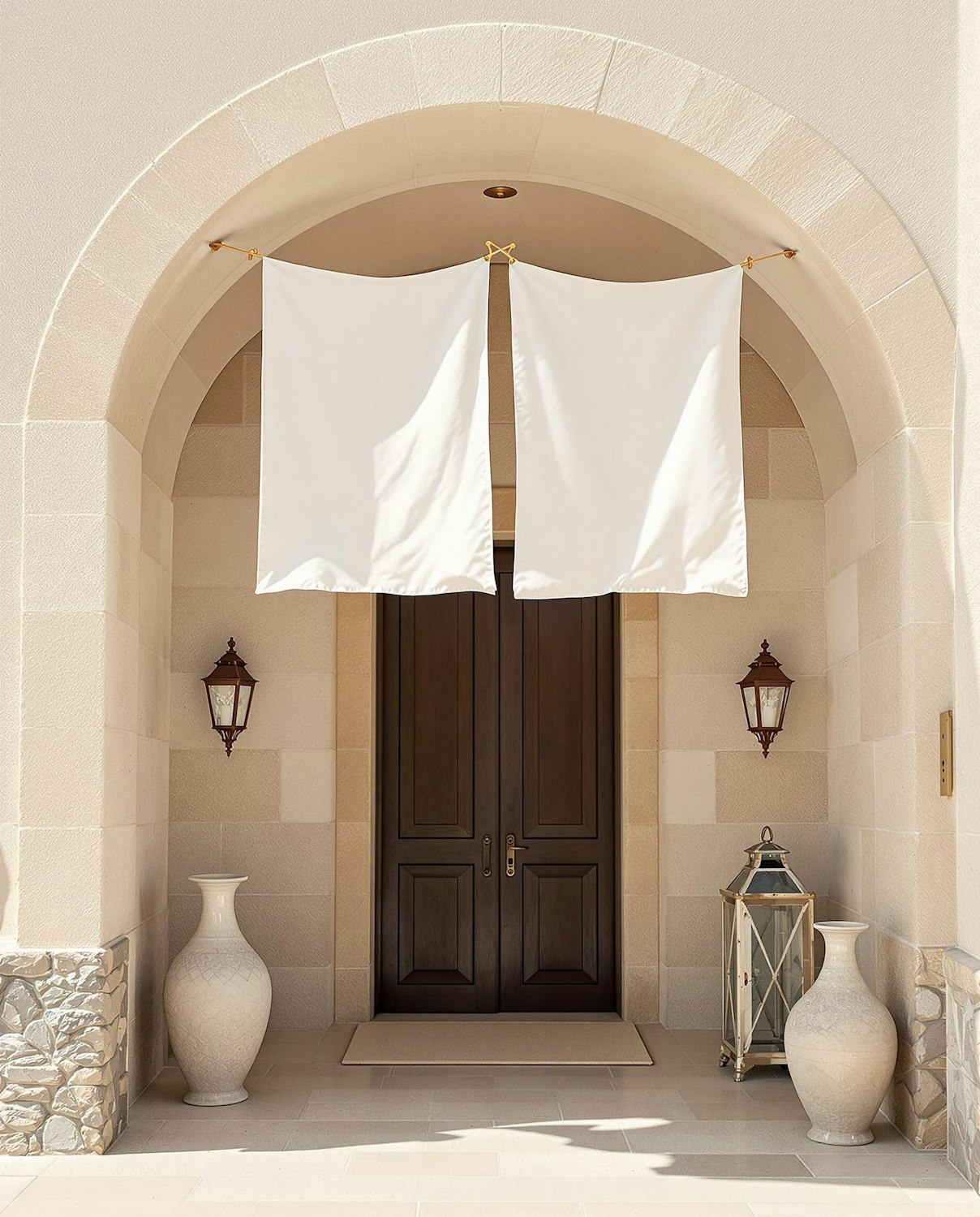
A formal doorway dressed with lanterns and vases under a stone arch 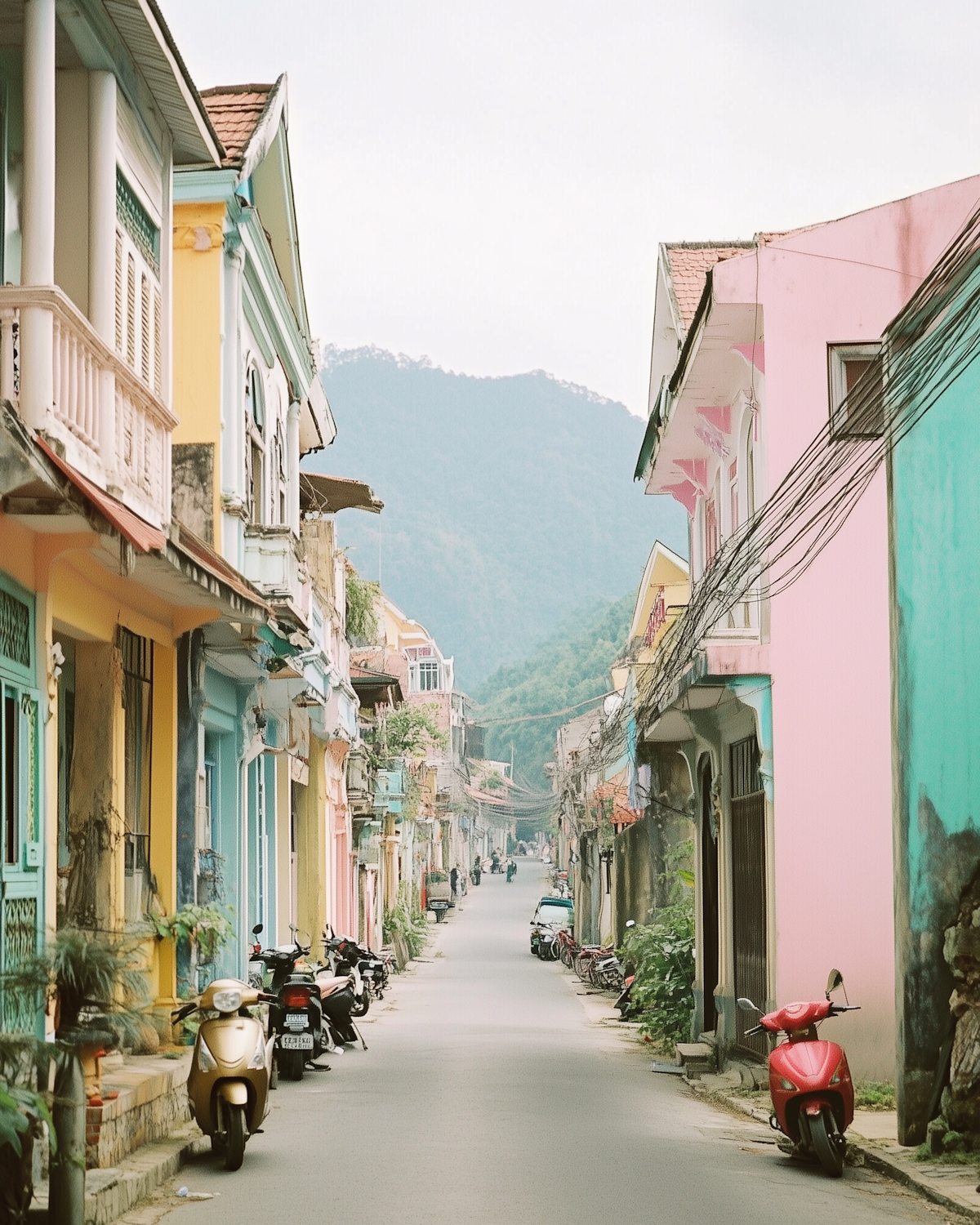
Pastel walls and parked motorbikes, with green hills closing off the far end 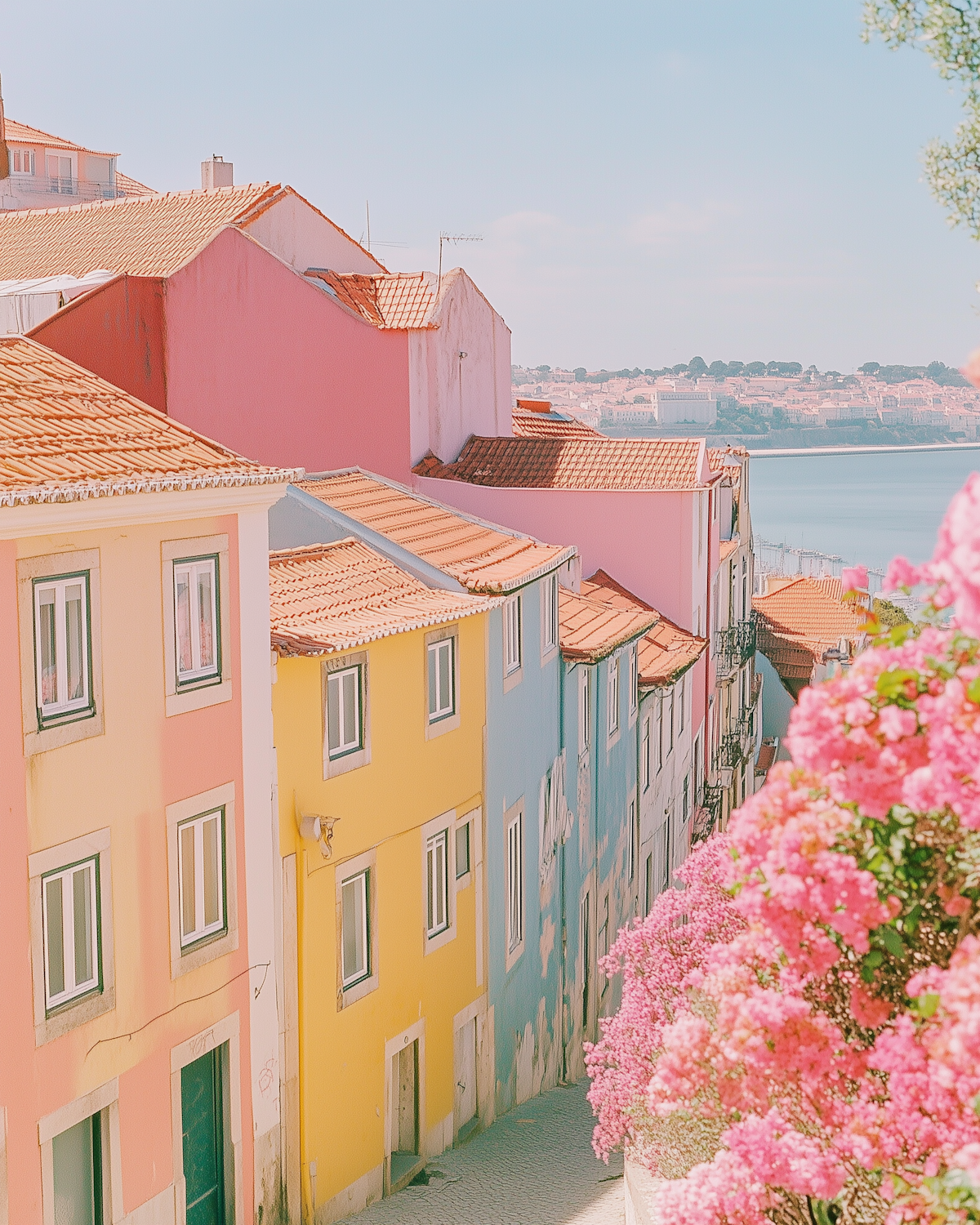
Terracotta roofs and flowering shrubs above still water 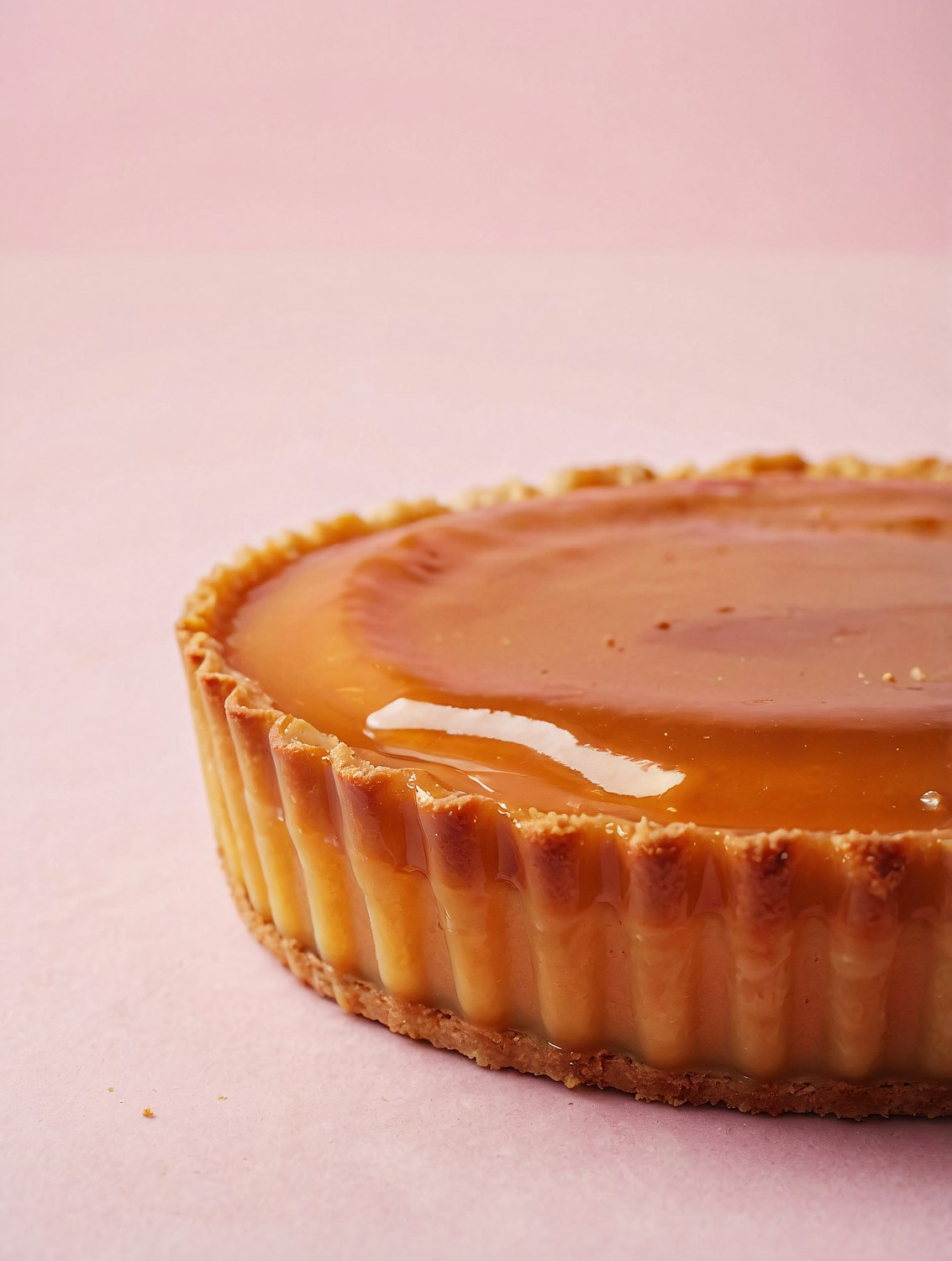
The blistered top of an egg tart, close enough to count the marks 
Strings of warm light overhead, the whole scene washed pink 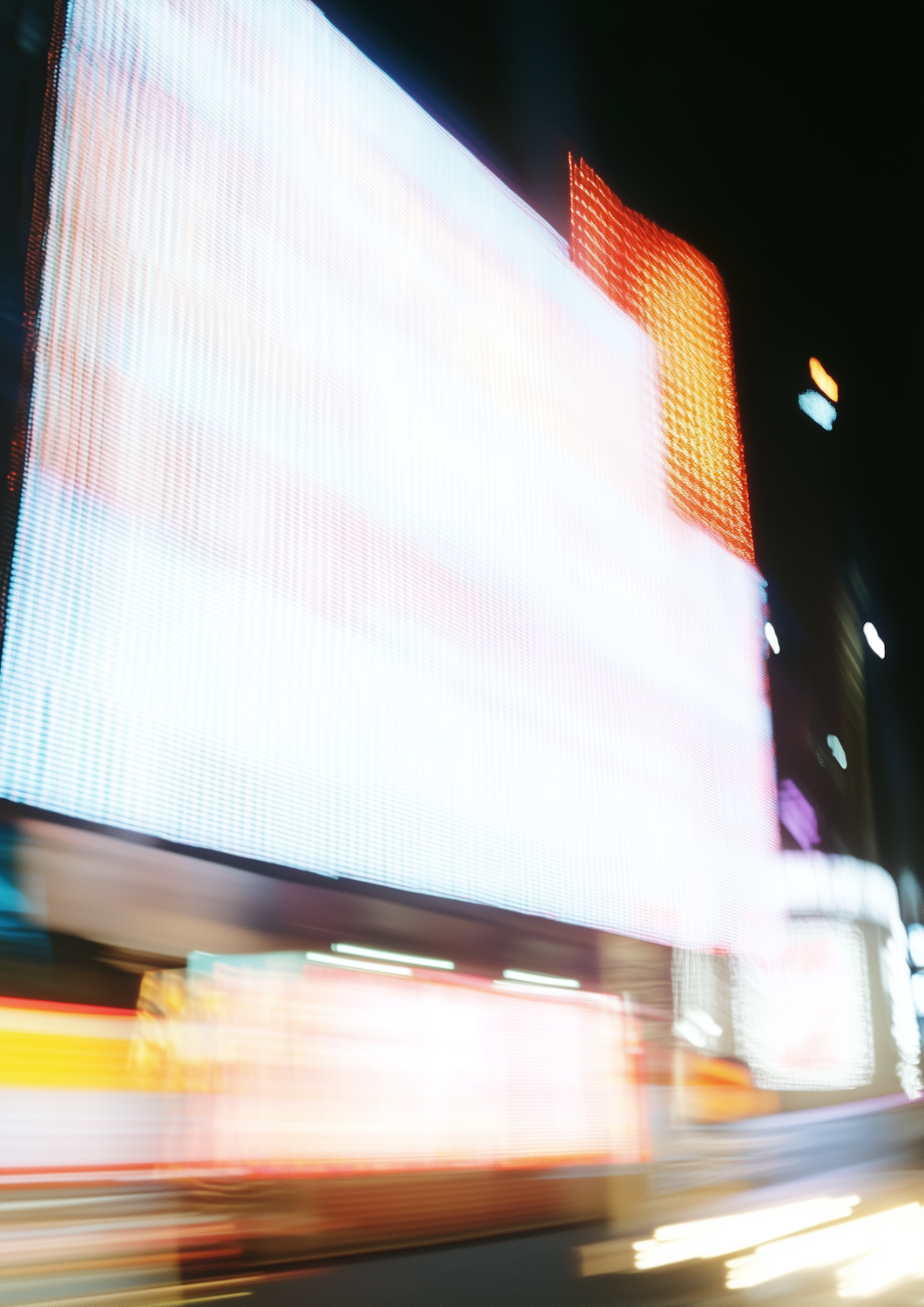
The strip after dark, reduced to pure light and motion