Southern EuropePlanned for September 2026
Rome
Three thousand years of city stacked into the same few square kilometres, with the washing still hanging over it.
Italy
- Region
- Southern Europe
- Languages
- Italian, with English widely spoken in tourist areas
- Currency
- Euro (EUR)
- Getting around
- Mostly on foot, plus metro, trams and buses
- Best months
- September to October
- Trip length
- Ten to fourteen days
The overview
A capital where republican stone, baroque theatre and ordinary weekday life are layered into the same narrow streets, and where the best hours are the ones before the coaches arrive.
Rome is the only city I know where you can stand still and look at nearly three thousand years at once. A republican temple leans against a medieval wall, a baroque church sits on top of both, and someone has parked a scooter against the lot of it. Nothing has been cleared away to make room for what came next. It has simply been built over, reused and lived in. The city is a section drawing you can walk through, and it never lets you settle on one century.
What I keep being told, and what I want to film, is that the ruins are not the whole story. People queue for coffee against a two-thousand-year-old wall without glancing at it. Children play football in a square that has been a square since the empire. Washing hangs above streets that carry Latin inscriptions at eye level. The ordinary life going on around the stones is what stops the city becoming a museum, and I suspect it is the part I will remember longest.
So I am giving it twelve days in September 2026, which feels indulgent for one city until you look at a map of it. I want to stay in a single neighbourhood for the whole stretch rather than moving every few nights, on the theory that you only really learn a place once the same barista recognises you. The plan is to film early, out before six most mornings, and let the crowds have the afternoons while I sit somewhere shaded and edit.
Things to see and do
What I am going to Rome for
The list I am actually working from, rather than everything a place is known for.
Start with the amphitheatre and the forum
The great amphitheatre and the ruined civic centre beside it are typically covered by one combined ticket, so treat them as a single long morning rather than two separate visits. Book ahead where timed entry applies, because the early slots go first. Walk the forum last, when the light drops and the crowds thin, and take the small hill above it for the overview.
Stand under the open dome
The great domed temple at the heart of the old centre reads as a plain grey box from the square and then opens into one enormous room, with a circle cut clean through the top of the dome. Book ahead where timed entry applies and take the first slot of the day, before the room fills. If rain comes while you are inside, stay put: the water falls straight through.
Give the papal museums a whole morning
Allow a full morning for the museums and accept that you will not see all of it. The route funnels everyone towards the painted chapel at the end, so go early, book a timed slot, and walk briskly through the first galleries to arrive before the crush. The basilica next door is entered separately, has its own security queue, and expects covered shoulders and knees.
Walk the far bank after dark
Cross the river in the early evening and simply walk. The neighbourhoods on the far bank keep their narrow lanes, their washing lines and their unfussy trattorias, and they come alive at about the hour most visitors head back. Aim to be on one of the older bridges as the lamps come on, then lose yourself deliberately in the streets behind the main square.
See the fountains at dawn
The famous fountains and the great baroque squares are impossible by mid morning and quietly extraordinary at first light. Set an alarm, go out before six, and you will have the water, the swallows and the street sweepers to yourself. It is the only way I know to photograph them honestly, and the light on travertine at that hour is worth the lost sleep.
Eat the four Roman pastas
Roman cooking is narrower than people expect and better for it. Four pasta dishes carry most of the city: the peppery cheese one, the version built on cured pork fat, the egg and pork cheek one, and the tomato and onion plate. All four are made from a handful of ingredients done exactly right. Order one in a plain neighbourhood place, and never ask for cream.
Shop the neighbourhood markets
The neighbourhood markets are still working markets, busiest from early morning and largely packed up by early afternoon. Go before nine, buy tomatoes and cheese and a loaf, and you have lunch for a fraction of what a sit-down meal costs. Some of the larger ones have grown a ring of stalls cooking to order, which is a good way to eat standing up.
Go underground at least once
The burial catacombs along the old consular roads and the excavated levels beneath several churches show you the city's other axis, the one that runs downwards through the centuries. Most underground sites are seen on a guided visit at a set time, so book ahead where timed entry applies. Take a layer: it stays cool down there even when the streets are baking.
Climb a hill for the roofline
The city is low and warm-coloured, so a modest rise gives you domes and terracotta all the way to the horizon, and several of the best vantage points sit inside public gardens open to anyone. Go up for sunset with something to drink, or go at dawn with a camera and have the parapet to yourself while the light is still pink.
How to get there
Routes in, and how to move once you arrive
General guidance on the realistic ways to reach the destination. Routes, operators and journey times change, so confirm the current position before you book anything.
By air
Two airports, one to the west and one to the south-east
Rome is served by two airports. The larger one, west of the city near the coast, takes most long-haul and full-service flights and is linked to a central station by a direct non-stop express train running at a regular interval through the day, plus slower stopping services and airport coaches. The smaller airport to the south-east handles a good share of low-cost European traffic and is connected mainly by coach, with journeys typically taking around an hour depending on traffic. Check which one your ticket uses before booking onward transport.
By rail
High-speed trains from across Italy and beyond
Rome sits at the centre of Italy's high-speed network, and arriving by train is the most civilised way in. Fast services connect it with the northern cities in a few hours, and two competing operators run the same corridor, which tends to keep fares reasonable if you book in advance. International connections run north through the Alps towards Austria, Switzerland and France, usually with a change. Trains arrive in the middle of the city rather than an hour outside it, so you can be walking within minutes.
By road
Coaches in, and a car you should leave outside
Long-distance coaches reach Rome from cities across Italy and much of Europe, arriving at terminals beside the main stations. They are usually the cheapest way in and the slowest, and are worth considering only if the timing suits you. Driving is a different matter. Much of the historic centre falls inside restricted traffic zones enforced by camera, and the fines arrive months later through the hire company. If you are touring Italy by car, park it outside the city and use public transport, or collect it on the way out.
By sea
The cruise and ferry port an hour up the coast
Rome has no harbour of its own. The port that serves it lies up the coast, roughly an hour away by train or transfer coach, and handles both cruise calls and ferries out to the larger Mediterranean islands. Cruise passengers with a single day in port should plan carefully, because the transfer eats a good part of the day at each end and the sights are spread out. If you are arriving this way, pick two things and book any timed entry well before you sail.
Getting around
On foot, with a small metro to cover the distances
Rome is a walking city first. The historic centre is compact enough that most days you will cover it on foot, and much of what makes the place is what you pass between the sights. The metro is small, only a handful of lines, because every attempt to dig turns up something archaeological, but it is quick for longer hops and for reaching the main stations. Trams and buses fill the gaps, and a single validated ticket typically covers a set window across the network.
When to go
The year, season by season
What each part of the year actually feels like on the ground, including the months I would avoid.
Best monthsSeptember to October
Autumn
September to October
The best window, and the one I am aiming for
The heat breaks gradually rather than suddenly, so early September can still feel like summer while October settles into the low twenties Celsius with clear, low light that is a gift to film in. Rain becomes more likely towards the end of October. Crowds ease from the summer peak without the city going quiet.
Spring
April to early June
Warm, green and the other strong window
Daytime temperatures climb comfortably into the high teens and low twenties Celsius, the gardens are at their best, and the evenings are finally long enough to eat outside. Easter and the early May holidays push visitor numbers up sharply for a few weeks, so if you can travel in the quieter stretches between them, do.
Winter
November to March
Cool, wet and much quieter
Expect daytime temperatures around the low teens Celsius, short days and the wettest months of the year, with rain arriving in bursts rather than settling in. In exchange you get the major sites at their emptiest, warm light on the stone when the sun does come out, and, the Christmas and New Year fortnight aside, the lowest visitor numbers of the year.
Summer
Late June to August
Very hot, very crowded and hard work
Afternoons regularly sit in the mid thirties Celsius with little shade in the open squares and archaeological sites, and the queues are at their longest. Many Roman families leave in August and a share of the neighbourhood restaurants close with them. If you must come, work in the early morning and late evening and treat the middle of the day as a write-off.
Photo gallery
Rome in frames
Reference images gathered while planning the trip, shot wide and graded for contrast.
A path out towards the edge of things, the blossom already out 
Gallery corridors, soft light and a long walk to the end 
Pastel houses and terracotta roofs above still water 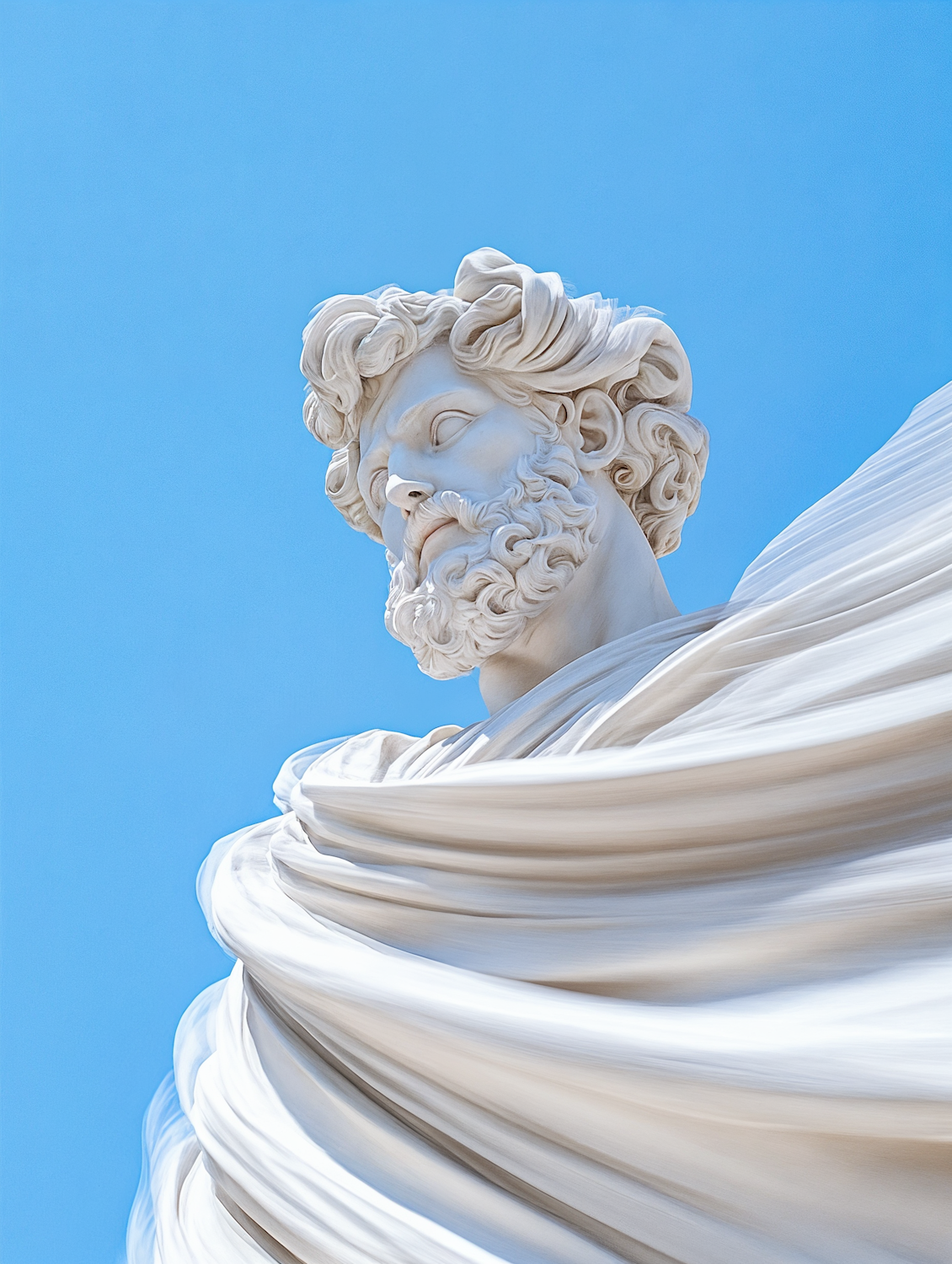
Carved drapery against a hard blue sky 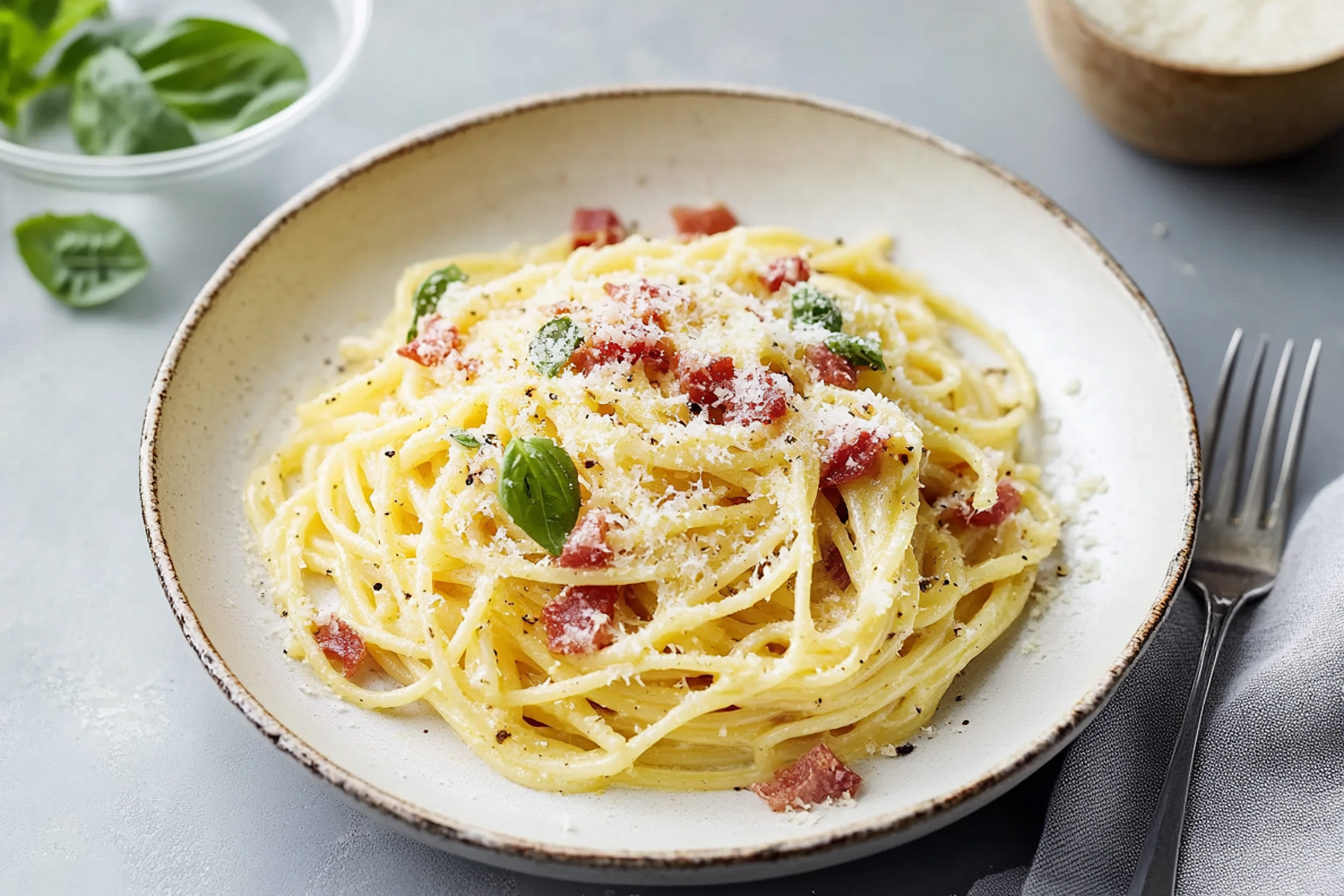
A handful of ingredients, done properly 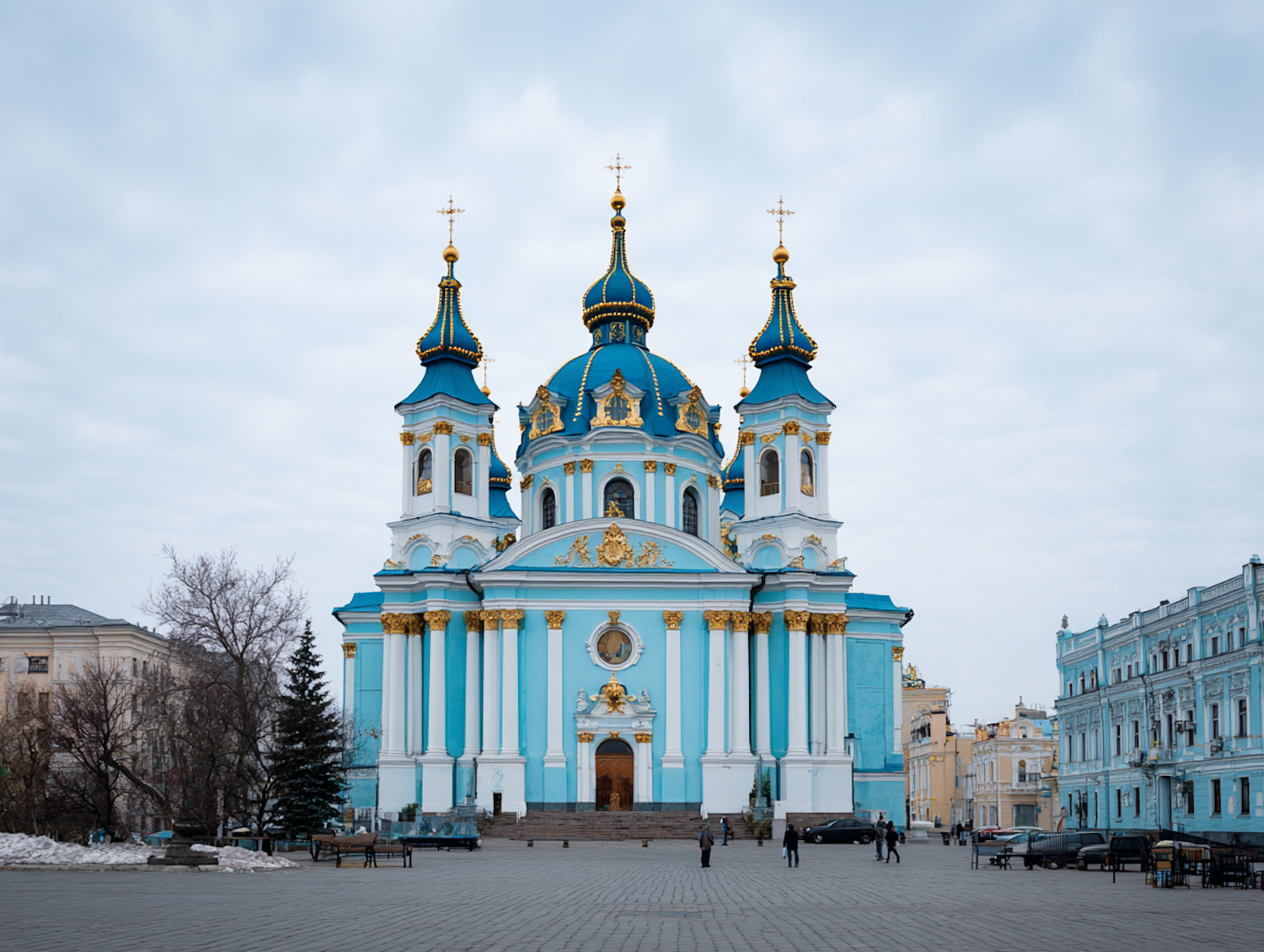
A domed church over an open plaza, cloud coming in